Event Co-Chairs Marlene Brown, M.S., BCBA, LBA and Quintara Tucker, MS, BCBA, IBA, LBS, LBA-MI, LBA-NJ compiled this information. Please feel free to reach out with your ideas, questions, and more
Within this section, you can expect to find:
Welcome to the 2026 NJABA Conference!
The 21st Annual NJABA Conference is scheduled for Thursday June 25, 2026 from 7am-4pm with a post-conference, morning workshop on Friday June 26, 2026 from 8:30am-12pm (Friday workshops are in-person only). Join us for a Reception, open to all full-conference and workshop registrants, from 4:30-6:30pm on the evening of Thursday, June 25, 2026.
The event will again be held at The Palace at Somerset Park in Somerset, NJ.
The main event on Thursday, June 25, 2026 will be a hybrid event with BehaviorLive hosting and providing recordings for later viewings.
Our Sponsor Store is open! Click here to review all the options available for visibility at our conference.
Keynote Speakers include:
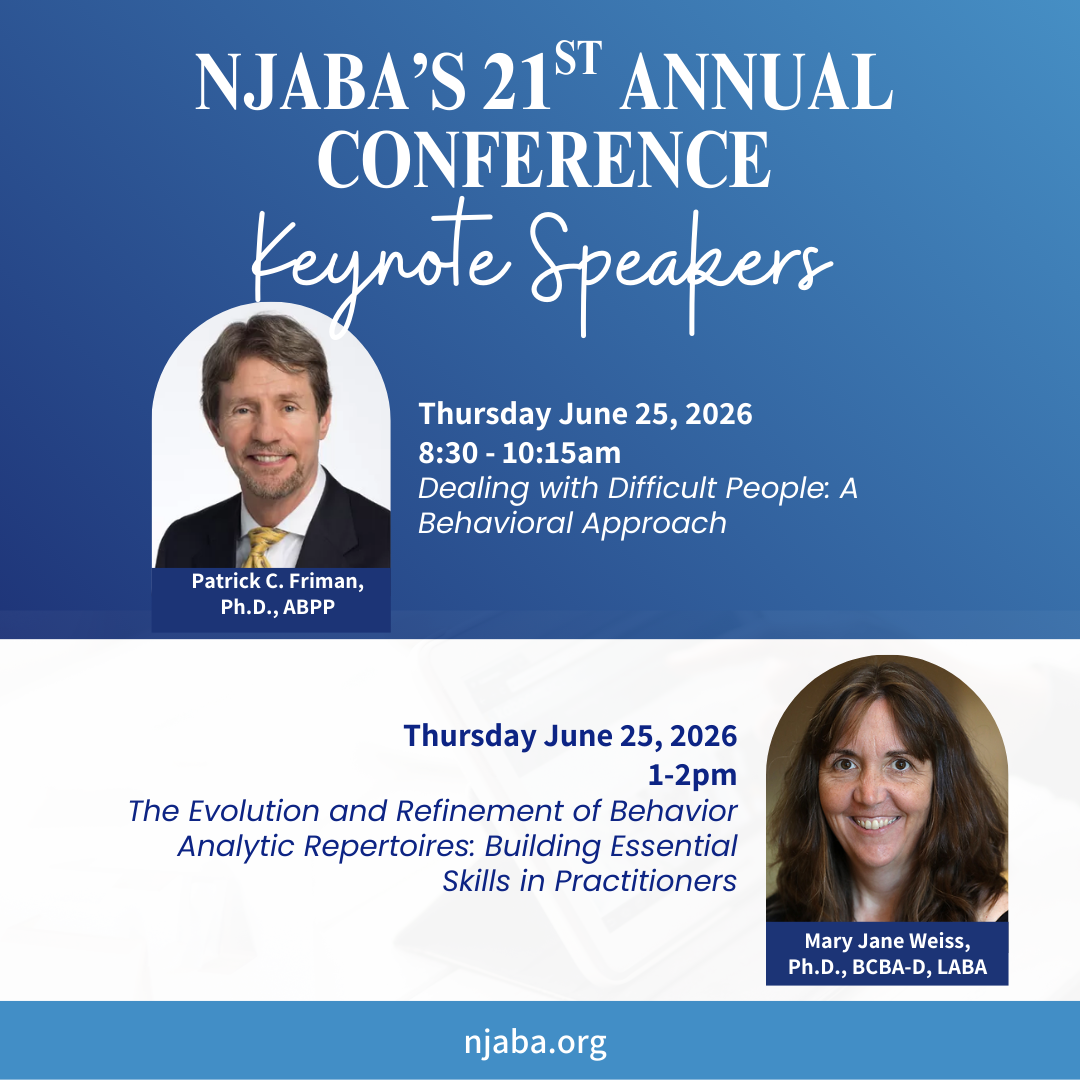
Thursday Morning Keynote: Pat Friman, PhD, ABPP
Thursday Afternoon Keynote: Mary Jane Weiss, Ph.D., BCBA-D, LABA
We look forward to seeing you at the 21st Annual Conference.
REGISTRATION
SPONSOR STORE
CONFERENCE SCHEDULE
Morning Keynote: Pat Friman, Ph.D., ABPP
Dr. Patrick C. Friman received his Ph.D. from the University of Kansas. He is the current Vice President of Behavioral Health at Boys Town and a Clinical Professor in the Department of Pediatrics at the University of Nebraska School of Medicine. He was formerly on the faculties of Johns Hopkins University, University of Pennsylvania, and Creighton University Schools of Medicine. He was also formerly a Professor and the Director of the Clinical Psychology Program at University of Nevada. He is a Fellow of the Association for Behavior Analysis International, in three divisions of the American Psychological Association, and of the American Board of Behavioral Psychology. He is the former Editor of the Journal of Applied Behavior Analysis and former President of the Association for Behavior Analysis International. He has published more than 200 scientific articles and chapters and three books. The majority of his scientific and clinical work is in Behavioral Pediatrics and Behavioral Medicine. Dr. Friman’s work in behavioral pediatrics has concentrated on the gap between primary medical care for children on one side, and referral-based clinical child psychological and psychiatric care, on the other. A secondary focus is on adolescent behavior and development. He also specializes in consultation regarding workplace issues such as motivation, dealing with difficult people, change, happiness and pathways to success.

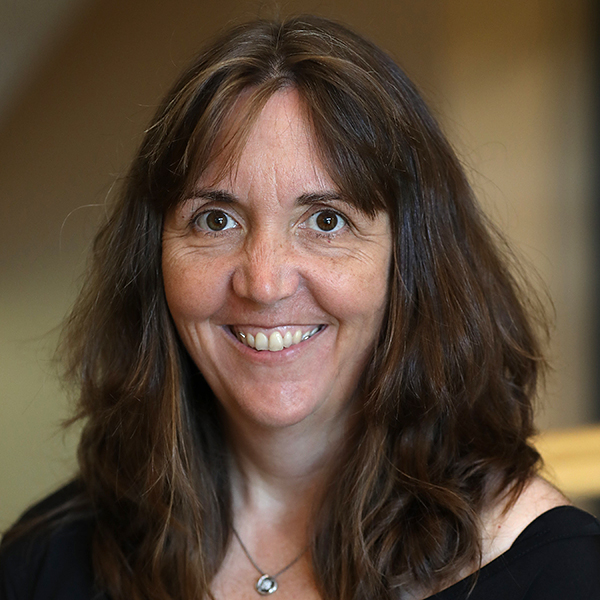
Afternoon Keynote: Mary Jane Weiss, Ph.D., BCBA-D, LABA
Mary Jane Weiss, Ph.D., BCBA-D, LABA is the Dean of Institute for Applied Behavioral Science and Director of the Ph.D. Program in ABA at Endicott College, where she has been for 14 years. Mary Jane is also a long-standing member of the research team at Melmark. She previously worked at the Douglass Developmental Disabilities Center at Rutgers University for 16 years. Her research interests include defining best practice approaches, integrating compassionate care and cultural responsiveness into service delivery, enhancing ethical conduct, training collaboration skills, and identifying effective instructional strategies for graduate education. Mary Jane is a Fellow of the Association for Behavior Analysis International and serves on the Scientific Council of the Organization for Autism Research, is Vice President of the board of Association for Science in Autism Treatment, is a member of the ABA Ethics Hotline, and serves as an advisor to the Cambridge Center for Behavioral Studies.
BCBA Workshop Presenter: Robert LaRue, Ph.D., BCBA-D, LBA-NJ
Robert H. LaRue, Ph.D., BCBA-D, LBA-NJ is a Clinical Professor at the Graduate School of Applied and Professional Psychology (GSAPP) at Rutgers University. He earned a dual doctorate in biological and school psychology from Louisiana State University in 2002. He completed his predoctoral internship with the Kennedy Krieger Institute at Johns Hopkins University and a postdoctoral fellowship with the Marcus Institute (now the Marcus Autism Center) at Emory University. He currently serves as the Director of Behavioral Services at the Douglass Developmental Disabilities Center (DDDC) and the Rutgers Center for Adult Autism Services (RCAAS), where he provides consultative support for students and staff providing intensive behavioral services to students and adults within the Centers. His research interests include the assessment and treatment of maladaptive behavior, improving transitional outcomes for adolescents and adults with ASD, the use of behavioral economics in intervention, and the evaluation of psychotropic medications used with at-risk populations. He has authored articles in peer-reviewed journals, written several book chapters, and presented at national and international conferences.
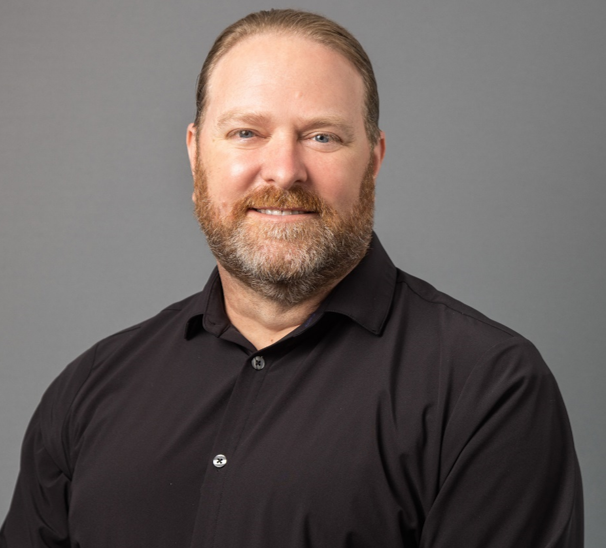
Behavior Technician/Registered Behavior Technician/Student Workshop Presenters:
Patrick R. Progar, Ph.D., BCBA-D
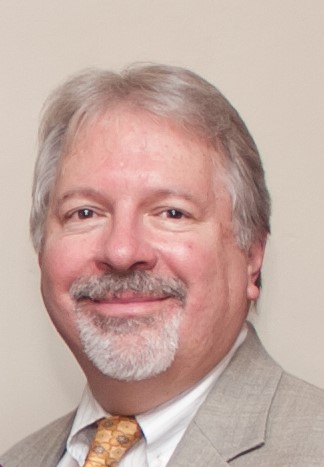
Cara L. Phillips, Ph.D., BCBA-D
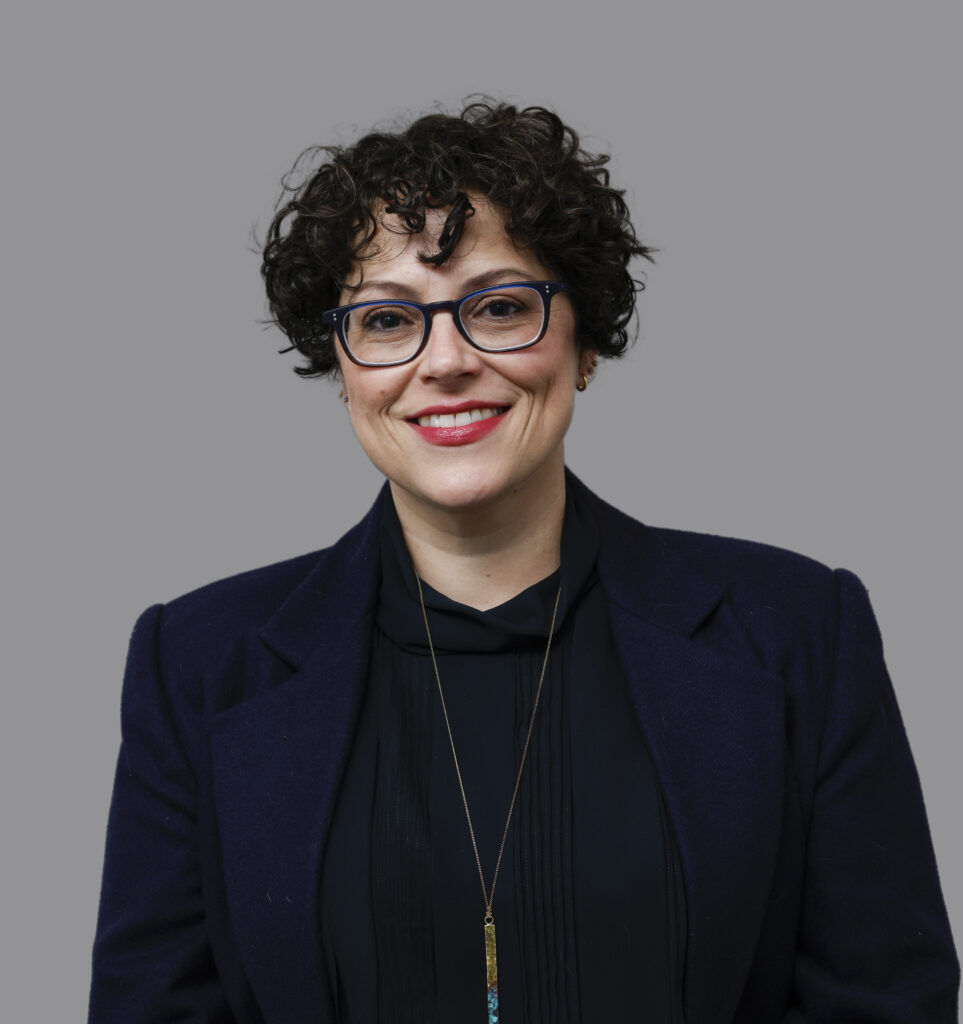
Panel Discussion Moderator: Quintara Tucker, MS, BCBA, IBA, LBS, LBA-MI, LBA-NJ
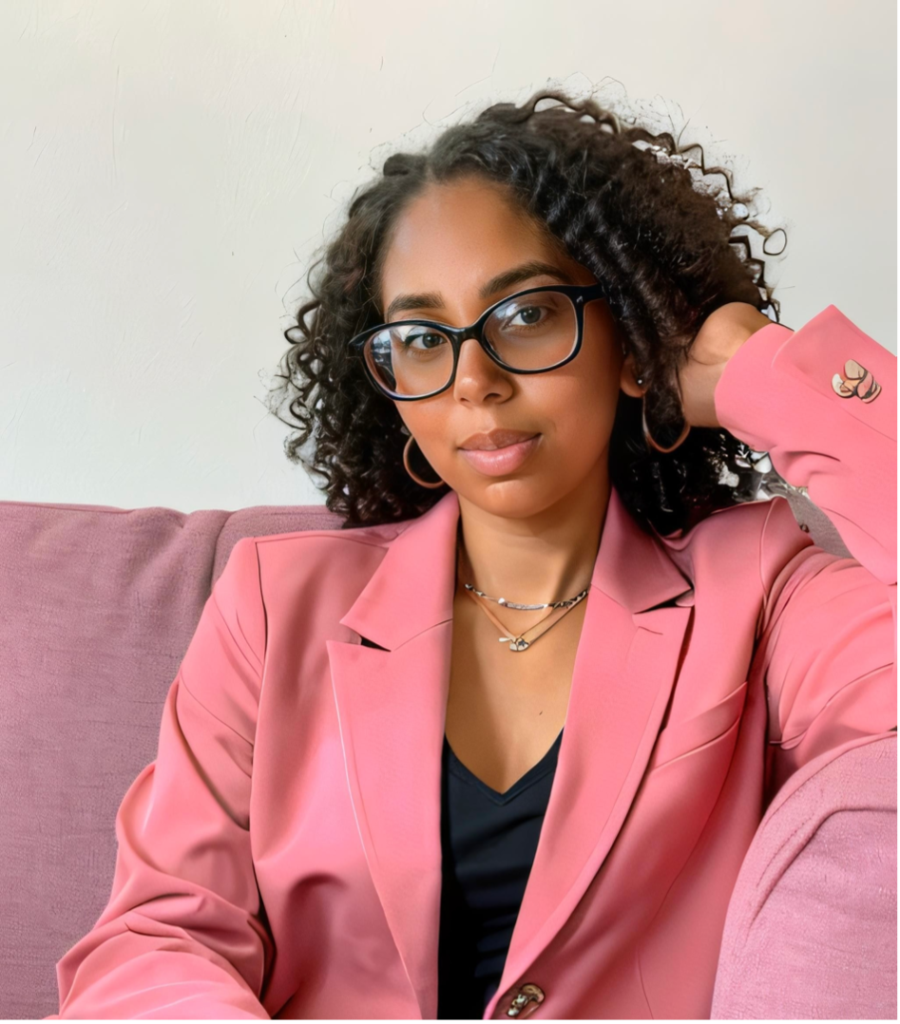
Panelists: Cara Phillips, Lindsay Keker, Robert Isenhower, Laura Fernandez, Stephanie Trusty and Anthony Villone
Patrick R. Progar, Ph.D., BCBA-D serves as Chief Clinical Officer at Brett DiNovi and Associates. Patrick also served as the Vice President for Academic Affairs and Professor of Applied Behavior Analysis at Caldwell College (now Caldwell University). Patrick received his BA degree from the University of Wisconsin – Eau Claire and his MS and Ph.D. degrees from the University of Wisconsin – Milwaukee. Patrick has served as a faculty member at several colleges and universities and completed a postdoctoral fellowship in developmental disabilities and applied behavior analysis at Children’s Seashore House of Children’s Hospital of Philadelphia. Research and clinical interests include staff training, functional assessment and functional analysis techniques, choice behavior, behavioral economics, self-management, and a general interest in translational research. Patrick is married and has a 26-year-old daughter, two French bulldogs named Louie and Jazzy and two tuxedo kittens named Ringo and Bugsy.
Cara L. Phillips is an Assistant Teaching Professor at Rutger’s Graduate School of Applied and Professional Psychology. She started in the field in direct support roles for several years before obtaining her master’s degree in Applied Behavior Analysis from Florida State University and her Ph.D. from the University of Florida. Dr. Phillips has spent the majority of her career in practice, working with people across the age span and across a variety of settings including residential, in-home, and schools. She was a post-doctoral fellow and a Senior Behavior Analyst at the Kennedy Krieger Institute’s Neurobehavioral Inpatient Unit and the executive director of a non-public severe special education program in Massachusetts. Her clinical and research interests broadly lie in both skill acquisition (e.g., stimulus control of verbal behavior) and the assessment and treatment of problem behavior in individuals with ASD (e.g., methods to increase flexibility and mitigate rituals).
Main Conference Morning Keynote Abstract
Morning Keynote Abstract presented by Patrick C. Friman, Ph.D., ABPP
Dealing with Difficult People: A Behavioral Approach
Some people can be, well, so darn difficult. This talk is focused on dealing with them. A group that is likely to come immediately to mind involves our clients. They are either posing difficulties for others or others are posing difficulties for them. And indeed the talk is going to be pertinent to them. But it is also going to be pertinent to persons in general and to no single group of persons in particular. They could be on the spectrum or off, delayed or typically developing, young or old, black or white, rich or poor, male or female, or somewhere in between those and a broad range of other discrete and dimensional categories. Although it is true that some of my (our?) clients can be very difficult, truth to tell, so can I. And if I may be so bold, I suspect you can be difficult too. Our formal training prepares us pretty well for the difficulties presented by our clients, although there is always a need for more. But our training does little to prepare us for the difficulties posed by persons who are not on our client list but who are very much on the beaten path we follow as we live our professional and personal lives. Even those of us with an extraordinary capacity for resolving the difficulties posed by clients can be significantly waylaid by the difficulties posed by these other persons. Quite simply, optimal success in our professional and personal worlds depends heavily on our ability to deal successfully with other people, especially when they are being difficult. The promise of this talk is an increase in our empowerment to do just that.
Learning Objectives:
Main Conference Afternoon Keynote Abstract
Afternoon Keynote Abstract presented by Mary Jane Weiss, Ph.D., BCBA-D, LABA
The Evolution and Refinement of Behavior Analytic Repertoires: Building Essential Skills in Practitioners
Applied Behavior Analysis is a science committed to evolving over time; best practice is a moving target. The scientist practitioner model has emphasized the bidirectional nature of this evolution; issues of clinical importance ignite research, and the adoption of practices follow empirical demonstration of
effectiveness. Over time, members of the field have been shaped by scientific discoveries, by changes in standards of care, and by cultural movements. Recently, the field has been called to action to ensure that practitioners have essential interpersonal skillsets to collaborate effectively, to consistently provide humane care, and to compassionately serve our clientele. These goals have been met with research to define, measure, teach, and train these skills. Future goals include attention to outcomes such as social validity, generalization, and authenticity. The field’s focus on evolution is itself a foundational and orienting value that can be observed in both historical emphases and current trends.
Learning Objectives:
Professional Development, Networking & Pathway Building
for Technicians, RBTs, & Students Abstract
NJABA is launching a first-of-its-kind conference experience designed specifically for RBTs and Behavior Technicians. This dedicated professional development track will offer career insights, mentorship, networking opportunities, and a supportive space to ask questions, build confidence, and strengthen your journey in the field of ABA.
With the updated BACB RBT requirements and the introduction of Professional Development Unit (PDU) expectations, RBTs now need structured opportunities for learning, mentorship, and connection within the field. This track is among the first state-level conference initiatives intentionally designed to support RBTs under the new standards, helping to promote professional growth, strengthen competencies, and support the development of the next generation of ABA professionals.
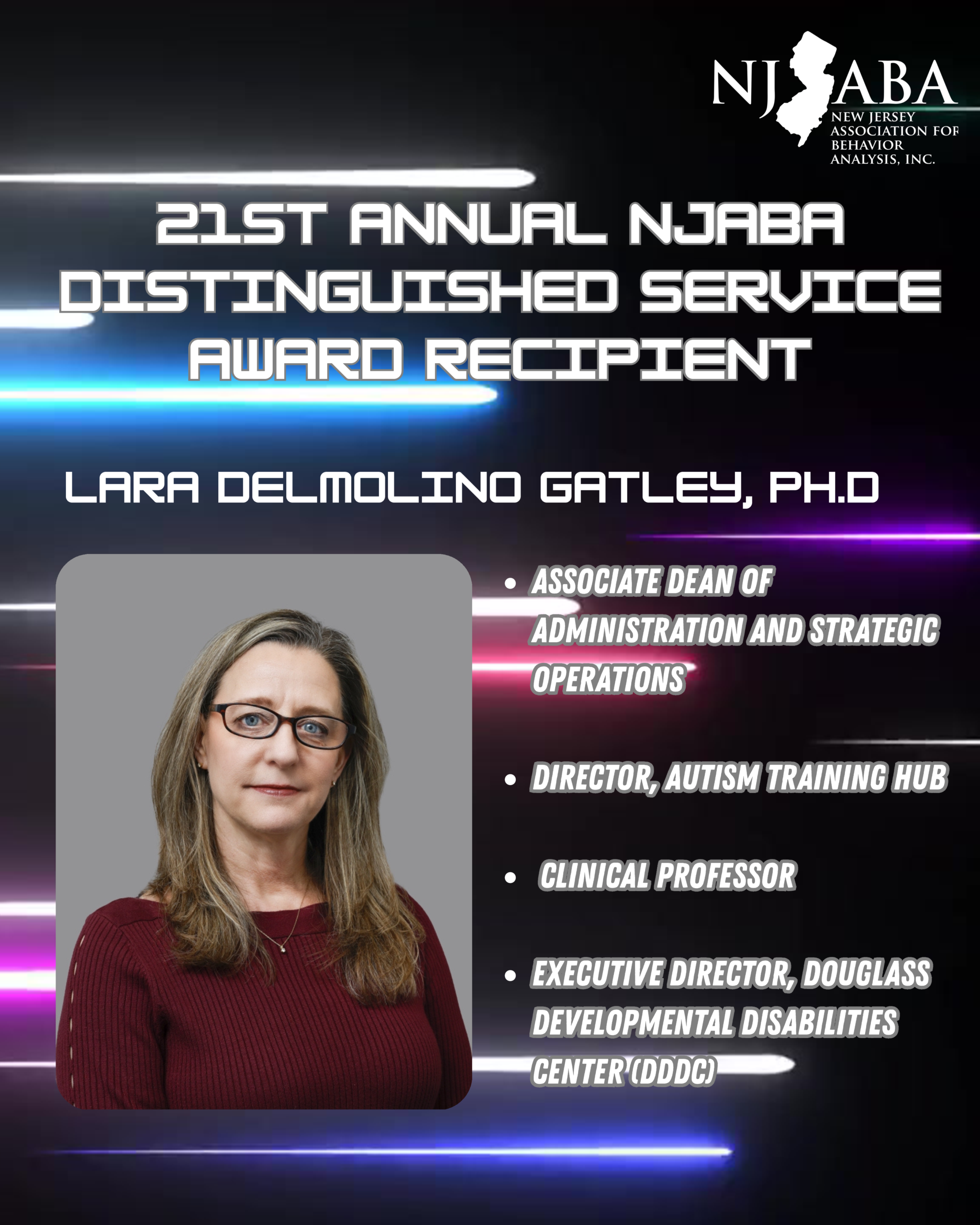
Congratulations to our 2026 Distinguished Service Award winner Lara Delmolino Gatley, PhD!
Lara Delmolino Gatley, PhD serves as Associate Dean of Administration and Strategic Operations at Rutgers University’s Graduate School of Applied and Professional Psychology (GSAPP), where she has held multiple leadership roles in the Dean’s Office since 2018. She also leads GSAPP’s Autism Training Hub and is a central figure in advancing the school’s autism initiatives.
A Clinical Professor with more than 25 years on the GSAPP faculty, Dr. Delmolino has contributed extensively to research, practice, and training in applied behavior analysis. She began her career at the Douglass Developmental Disabilities Center (DDDC) under the direction of Dr. Sandra Harris, later serving as Center Director and, since 2018, as Executive Director. She has taught generations of students in GSAPP’s Applied Behavior Analysis course sequence for over two decades, mentoring many who have gone on to prominent leadership roles in the field.
Dr. Delmolino earned her PhD in Clinical Psychology from Rutgers University and completed her predoctoral internship at the University of North Carolina at Chapel Hill. With nearly three decades of experience working with individuals on the autism spectrum, she has published and presented widely on assessment, treatment, and evidence-based instructional methods in autism and applied behavior analysis.
Thank You to Our Sponsors!